Category Archive: Uncategorised

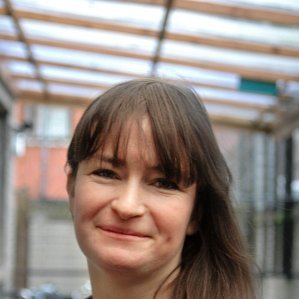
  1. Vicki Hird

    Leave a Comment

    Vicki Hird

    Whilst Senior Campaigner at Friends of the Earth

    Apart from your current organisation which other organisations that campaign do you admire and why?
    The Feeding5K (and their latest campaign @ThePigIdea) has been so impressive in engaging hugely diverse audiences – from grassroots and the public chopping veg at seriously fun events across the globe to high level UN delegates discussing global action. It’s been canny at surfing a wave of interest in a huge waste problem (in reality, partly created that wave) and benefitted from having a great communicator who also knows his stuff in Tristram Stuart.

    Generally are organisations getting better at campaigning since you began your career? If so, what’s changed?
    Things have changed massively from that pre web & digital era when I started – there was more deep commitment and late nights but probably less actual impact on policies and practices. We would shout as loud as we can but not be heard. Now we shout more carefully but so do many others (business, the web). We’ve been slow to adopt the right tools on occasion eg social media but we are, mostly, far more disciplined at mapping influence and knowing how to really effect change. One development I have witnessed is the over-adoption of business management jargon and approaches which don’t really suit time- and resource-poor NGOs.

    Which campaigner inspires you most?
    Sorry it’s not one – it would have to be the collective group of amazing local campaigners who achieve tangible changes locally – I meet many in the Friends of the Earth local Group network and in FoE International. They don’t get paid, yet year on year they plug away getting stuff done- awesome campaigners who blow my mind!

    What three attributes make a good campaigner?
    There are different types of campaigning but overall
    1. An ability to multitask – from fundraising to coping with a live R4 Today programme interrogation
    2. An open mind ready for new ideas or challenging preconceived ideas
    3. a great and engaging communicator

    What’s the most rewarding or exciting campaign you’ve worked on and why?
    Most rewarding in outcome terms was the supermarket campaign to get a new retail Code of Practice and an Ombudsman –we got a new law and it involved working with lots of strange bedfellows – it took 8 years and is not perfect but it’s a start..

    Most exciting – The Friends of the Earth Fix The Food Chain Campaign – we did hugely crazy things (like dress up as cows dancing to a silent disco in Liverpool Street Station) to get a new Bill in parliament. It was ahead of its time and a major challenge to get the messaging right and get people engaged.

    How do you feel campaigns will change over the next five years?
    Going against the grain I think they will be more about people on the ground, movement building.. The digital revolution has a key place and is a mighty tool – but truly engaging people will have to come from working with them more closely, recognising how to frame the campaign asks in ways which reflect real lives and values.

    What advice would you give someone starting their career in campaigning today?
    Get stuck in a local campaign so you develop a strong understanding of how messages and ideas play out with ‘real people’ as opposed to the strange NGO community!. But also work or volunteer if you can in an NGO – a great way to get experience. Just do stuff.. it does not matter what the topic is!

    If you weren’t a campaigner, what would you be?
    It would probably be an entomologist – finding fantastical new insect species in some remote part of the world or discovering a great way to manage pest populations in ways which did not harm biodiversity. Or a novelist…

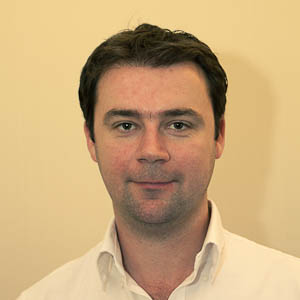
  2. Gus Baldwin

    Leave a Comment

    Gus 4_opt

    Whilst Head of Public Affairs for Macmillan Cancer Support

    Apart from your current organisation which other organisations that campaign do you admire and why?
    Like most people I think the mental health community has had a pretty raw deal for far too long.  I’m full of admiration at the way that, despite repeated ‘false-dawns’, mental health organisations like Mind and Rethink have refused to give up. Their determination is grounded in the belief that the current situation just isn’t fair (it isn’t) and needs to change no matter how long it takes.  It now looks like there is, finally, going to be parity of esteem between physical and mental health conditions which will be fantastic and long-overdue.
    Generally are organisations getting better at campaigning since you began your career? If so, what’s changed?
    A lot are but some still see campaigning as the thing you do when you’ve run out of new service development ideas, which rather misses the point in my opinion.  At Macmillan Cancer Support we recognise that we are only going to dramatically improve the lives of people affected by cancer through a combination of creative service innovation and influencing.  In terms of changes I’ve seen in how Macmillan campaigns, alongside the greater involvement of people affected by cancer and the use of social media, we’ve invested significantly over the past few years in our research function so that in telling our story we can add even harder evidence to our on-the-ground expertise and the thousands of (good and bad) stories of people affected by cancer.  I think this reflects the reality that, generally-speaking, new ideas will now only make progress where they can clearly demonstrate to decision-makers and commissioners that they will deliver better outcomes for the end-user using less money and resources.

    Which campaigner inspires you most?
    I admire the innovators – the often lone individuals who decide they want to change something and drive it through using a new technology or social media tool at virtually no cost.  Maybe it is more jealousy than admiration!  My Public Affairs Team inspires me everyday – they’re the most passionate bunch of brilliant, driven people.  But I’m probably most inspired by the people affected by cancer I meet.  The ones who stand up in Parliament, often overwhelmed with nerves, and tell their story about the awful treatment they had, or how they couldn’t cope after the death of their son or daughter, or how they lost their job while going through treatment. All they want to do is try and stop another family going through what they went through.  Those moments go to the heart of what it means to be a part of Macmillan and why it is such a privilege to do the job I do.

    What three attributes make a good campaigner?
    Passion tempered with realism, an ability to think ‘what next?’ before the competition, and a constant sense of dissatisfaction!

    What’s the most rewarding or exciting campaign you’ve worked on and why?
    I’ve been very fortunately to work on a number of successful campaigns which have changed people’s lives for the better – that’s what makes them rewarding.  I was heavily involved in shaping the Disability Discrimination Act public duties and securing free prescriptions for cancer patients.  The two most exciting moments I’ve had recently both involved our work around the Welfare Reform Act.  Firstly, when Ed Miliband used all six questions at PMQs to demand that David Cameron listen to Macmillan and other cancer charities and, secondly, when we defeated the Government three times in the Lords.

    How do you feel campaigns will change over the next five years?
    The devolution of decision-making powers in health and social care means that local influencing – or more accurately multi-level influencing – will becomes even more important.  I think the role of the end user in direct campaigning is also going to continue to grow.  I mentioned the need for even more hard evidence to demonstrate the case for reform.  Interestingly, I think the lack of money has also meant that the Government and Opposition Parties are starting to think in more creative ways – and involving more stakeholders – to solve problems.  I think campaigners will also follow suit.

    So, for example, rather than Macmillan campaigning to ensure benefit payments for cancer patients aren’t cut, I can see us working far more in partnership with employers and insurance companies to see how we can keep more cancer patients in work, ensure they are supported financially while they can’t work, and then get them back to work more successfully after treatment.  The outcome is hopefully the same – less cancer patients and families in poverty – but the way of achieving the outcome reflects the need to do things differently. I should stress it isn’t an ‘either or’ but I expect there will be a shift away from campaigning for state action to solve problems.

    What advice would you give someone starting their career in campaigning today?
    We have an amazing internship programme at Macmillan and I am forever telling our interns to learn their trade properly first before deciding how to use the trade.  If you’re in a fantastic learning environment and you’re also doing precisely what you want then that’s a bonus (and don’t move!) but that’s rare.  If you have to compromise go for an organisation which really does value personal and team development.

    If you weren’t a campaigner, what would you be?
    I would be the jazz pianist for Ronnie Scott’s House Band.  This would require me to learn to play the piano first though.

  3. Emma Gibson

    Leave a Comment

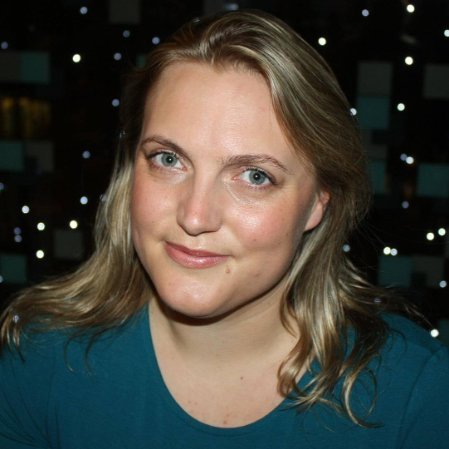
    Photo of Emma Gibson

    Deputy Head of Campaign at Greenpeace

    Apart from your current organisation which other organisations that campaign do you admire and why?
    I’ve been really impressed by the ‘no more page 3’ campaign set up by Lucy Holmes. She’s never run a campaign before but has chalked up huge successes already just by giving it a go. Truly inspirational.

    And I have to take my hat off to climate camp. Any group of people who can occupy a piece of land and have toilets, sinks with running water and an oven for making vegan cakes set up within hours, in the middle of a field that had sheep in it the previous day shows pretty amazing logistical know-how.

    Generally are organisations getting better at campaigning since you began your career? If so, what’s changed?
    Obviously the biggest change has been the internet and more recently the creation of social media. I didn’t have a computer or mobile phone when I started my first campaigning job so that’s a huge change in the way that campaigning organisations can disseminate information and mobilise support.

    Which campaigner inspires you most?
    Probably Doreen Lawrence for changing the way that we think and talk about race and racism in this country and for just not giving up.

    What three attributes make a good campaigner?
    Tenacity: don’t give up in the face of setbacks

    Risk taking: Don’t be frightened to try something new

    Ability to understand where the power lies:  who can make the change that you need and how can you best influence them?

    What’s the most rewarding or exciting campaign you’ve worked on and why? 
    It would probably have to be the campaign to stop a 3rd runway at Heathrow. Greenpeace buying part of the new runway and inviting everybody around the world to own it with them was really fun.

    How do you feel campaigns will change over the next five years?
    It’s got to be new technologies which are going to offer new opportunities to engage and mobilise support for our campaigns.

    What advice would you give someone starting their career in campaigning today?
    Stop talking about it and just get on with it! If one tactic doesn’t work, try another approach.

    If you weren’t a campaigner, what would you be?
    A psychotherapist!

  4. Matt Downie

    Leave a Comment

    Photo of Matthew Downie

    Whilst Head of Parliamentary and Public Affairs at Action For Children

    Apart from your current organisation which other organisations that campaign do you admire and why?
    I admire organisations and people that have a clear mission, underpinned by compelling evidence, and then have the resilience to stick to a campaign plan.

    Pfeg (Personal Finance Education Group) is a great example of an organisation that has achieved specific aims – most recently in getting financial education on the school curriculum – based upon sound evidence and with both social and economic arguments that attract the full political spectrum.

    Another example is Afruca, a small but focussed charity who are campaigning to stop the abuse of children through religious practices of branding and witchcraft. Afruca is taking on a difficult area but with clear and compelling evidence of this horrific abuse, and with practical political recommendations.

    Generally are organisations getting better at campaigning since you began your career? If so, what’s changed?

    I don’t think ‘better’ is the word. The mainstay of charity campaigning has become more professionalised and more of a career choice than a few years ago. This can be a good thing, with recognised skills within the sector, but we must be careful not to lose creativity, individual drive and risk taking.

    Which campaigner inspires you most?
    I have been fortunate enough to meet a few extraordinary campaigners with public
    profiles, including people like Hetty Bower, who is 107 and has spent her life
    campaigning for peace.

    For me however, it is those out of the limelight that don’t come with the label ‘campaigner’ that I find most inspiring. Last year I met a 14 year old young woman from Croydon who has started a campaign to tackle the trafficking of women and girls in  South London.  She has done this on her own and with no money, yet achieved real policy change in the local area.

    What three attributes make a good campaigner?
    There are things that you can learn (I certainly had to) such as the basics of strategic planning and how to build meaningful objectives. What I tend to look for now however, are people that demonstrate a commitment to social justice in some way, people who show positivity and empathy in working with campaign beneficiaries, and those with ideas.

    What’s the most rewarding or exciting campaign you’ve worked on and why?
    I am currently working on a campaign to overturn our Victorian law on child neglect. The campaign is about recognising the devastating impact of emotional abuse upon children. For me, this is not just exciting but vital – and I hopeto be able to look back on the campaign that represented a step-change in the way we view child protection.

    How do you feel campaigns will change over the next five years?
    The move towards more personal and beneficiary led campaigning should continue, and in time I think large organisations will embed this approach not just in their campaign strategies but within their staff structures. I hope as a sector we move towards campaigns that simply enable those affected by issues to achieve change for others affected by the issues at hand.

    What advice would you give someone starting their career in campaigning today?
    I would ask them why they want to do it. Is it a particular cause or cohort of people that drives them? The answer to this question can and should direct a career path and ultimately make them more effective as a campaigner.

    If you weren’t a campaigner, what would you be?
    Frustrated.

  5. Kate Hudson

    Leave a Comment

    Kate Hudson

    General Secretary of  the Campaign for Nuclear Disarmament

    Apart from your current organisation, which other organisations that campaign do you admire?
    There are many organisations today that bring something positive and dynamic to the campaigning table. To mention just a few that I have a regard for: the Stop the War Coalition for articulating the views of the overwhelming majority of the population in an accessible and inclusive manner and facilitating the biggest demo in British history; the London Feminist Network for its youthful radicalism and reviving the Reclaim the Night marches; and Plane Stupid for its creative non-violent direct action approach.

    Who is the campaigner you most admire?
    Bruce Kent. Bruce was the key player in CND in the 1980s and was more or less pushed out of the catholic priesthood for his anti-nuclear campaigning. He was vilified by the right-wing press and Tory politicians for his exceptional leadership of CND but stuck to his principles throughout. He remains extremely active today on anti-nuclear and other issues. The best thing about Bruce is that he never looks back and expounds on how he did things in the past. For Bruce, campaigning is all about now and the future.
    What advice would you give to someone starting their career in campaigning today?
    They have to believe in the cause they are championing and it has to be more important to them than anything else. And there is no room for cynicism. Cynicism and campaigning definitely do not mix. Optimism is essential, with confidence in humanity and the belief that you can win.

    What three things make a good campaigner?

      • an understanding of the wider world and the overall political context in which you are operating, and how to put together alliances within civil society to bring about political change
      • a strategic approach to creating the conditions for achieving your campaign’s goals
      • a positive approach to your own campaign combined with respect for others

    Which of these three do you have most of?
    Well I like to think I have all of them, but maybe number one is my main strength.

    Which of these three do you think is missing most out of people who campaign or want to?

    Perhaps number one although people have many different strengths and skills.

    Generally are organisations getting better at campaigning since you began your career? If so, what’s changed?

    I wouldn’t really describe it as a career, but during my campaigning life perhaps! I don’t think that question is quite right somehow. It is really the political balance of forces in wider society that determine whether campaigns succeed or not, not just what the campaigns themselves do and what methods they choose. One of the most successful campaigns was the Anti-Apartheid movement, but apartheid wasn’t overthrown solely or even largely to do with AA. It was the struggle of the ANC, backed by progressive states and opinion world-wide. AA linked in with that in a very effective way and was able to play its part. There are many examples of success – and failure – at all points over the decades I have been a campaigning activist. I think methods and style have changed because of technological changes but the fundamental issue is getting the politics right and that can happen – or not – at any time.

    If you weren’t a campaigner, what would you be?
    I have only been employed as a campaigner since September 2010, because before that, as Chair of CND, I was an elected political officer but not an employee. So my ‘career’ has been as an academic – I am a historian by training, and taught, until joining CND staff full-time, at London South Bank University. I was fortunate to teach, research and write in my areas of political and campaigning interest, so there were obvious synergies between the two parts of my life. I plan to continue writing but campaigning is my great love – working to change the world for the better!


  6. Margaret Thatcher

    Leave a Comment

    I’m writing this just 3 hours after hearing that she died this morning. It’s strange feeling of trying to assemble all my thoughts about the death of Margaret Thatcher.

    When I was 7, I remember putting my hand up in class and answering a question about her becoming the first woman leader of the Conservatives.

    When I was 11, I remember getting free school dinners when my father, a steel worker in South Wales, went out on strike.

    At university, I recall the Conservative Association singing “10 more years” in 1989. And a year later organising a “Thatcher’s Gone” party the night she left office.

    And I’m sure I’m not alone in my uneasy reaction to the news of her death – she was so important to so many people’s formative years. Many campaigners in the sector have directly campaigned against her policies from 1979 to 1990. Others were motivated to dedicate their careers to campaigning whilst growing up while she was in power.

    When I started working for Shelter in 1993, under Sheila McKechnie’s leadership, a Conservative, or a Conservative who was “openly out” would not have been countenanced anywhere near 88 Old Street or even the EC1V postal sector.

    Slowly, since then, as the campaigning sector has expanded and as now the majority of charities campaign as opposed to only a handful 20 years ago – and also as the Conservative party has adapted and like other parties fight for the centre ground, then Conservative supporters are campaigning in the sector. And many do so and they genuinely have the right ethos for the campaigns that they represent.

    It isn’t the day to sum up the effect of Margaret Thatcher on the campaigning sector.  As it’s the day that an old lady, who has been very poorly in recent years has died. I’m sure we’ll hear more about her effective in the months to come.

  7. The Hardest Jobs To Get In Campaigning

    Leave a Comment

    Last month, we surveyed potential candidates who are working in the campaigning sector – you may well have taken part in it.

    We asked them which area of work their organisation focussed on and what type of organisation would they ideally like to work for next.

    Most popular type of organisation for their next role:

    1 International development/justice

    2 Social justice

    3 Human Rights

    4 Social welfare

    5 Health

    6 Environment

    7 Housing/homelessness

    8 Disability

    9 Other

    10 Animal welfare/Animal rights

    But perhaps more interesting, is assessing where people are working at the moment and where they want to go next – this brings in a bit of supply and demand, which
    shows which areas of campaigning are the most competitive to get into currently:

    Most competitive areas:

    1 Human Rights

    2 Social welfare

    3 Housing/homelessness

    4 Social justice

    5 International development/justice

    6 Environment

    7 Animal welfare/Animal rights

    8 Disability

    9 Other

    10 Health

    I’m surprised that Health has come so low down in terms of competitiveness, but I guess there a lot of campaigns working in this area. Human Rights being top is not a surprise. When we ask candidates where they want to work, top of the tree is human rights and international development. More people want to work international development than Human Rights, but as there are more jobs in development, then this make human rights more competitive.

    I hope this is a useful guide for you and may explain why you may find some job hunting harder than others.

  8. Alison Goldsworthy

    Leave a Comment

    Alison Goldsworthy

    Head of Supporter Strategy and Engagement at Which?

    Apart from your current organisation which other organisations that campaign do you admire?
    I think WaterAid are brilliant. The emails they send out to their supporter network are always eye-catching and I’d be surprised if they don’t get a high action rate. I also really admire how they have managed to get the establishment to accept some of their issues but keep a radical edge. That takes some doing.

    Back home in Cardiff the Save the Vulcan campaign is a masterclass in local campaigning, with everyone you could imagine backing the campaign. It’s a great iconic pub, if you are in the city go and even if you can’t make it, sign the petition. If you are a guy, I’m told the gents toilets are well worth a visit.

    Who is the campaigner you most admire?
    Clarence Wilcock – who took a stand against ID cards in the 1950’s leading to their demise. It saddens me they are making a comeback.

    Vaclav Havel – the most tenacious campaigner against Communism in the Czech Republic (Czechoslovakia as was) he never let up even against horrendous pressure and the led his country to freedom. Most impressively of all he worked out when to stop, stood down and let someone else take over.

    Is there a campaigning organisation that you would like to see the back of?
    There are some with whom I profoundly disagree, even hate, but I wouldn’t seek to deny their right to exist. Top on the hate list are The BNP, for obvious reasons. I don’t have much time for Christian Voice and Migration Watch either – I think they do a great disservice to debate with ill considered improper contributions that purport to represent people they don’t.

    What advice would you give someone starting their career in campaigning today?
    Find something that irritates you and try and change it – suggest a better alternative and bring others into your campaign. DO NOT ignore local engagement.

    What three things make a good campaigner?
    Tenacity, Audacity and people skills.

    Which of these three do you have most of?
    I’d hope people skills, but you probably need to ask those I work and have worked with.

    Which of these three do you think is missing most out of people who campaign or want to?
    Audacity: I think campaigners are often far too risk averse, for fear of breaking CC9 and getting in trouble with Charity Commission.

    Generally are organisations getting better at campaigning since you began your career? If so, what’s changed?
    A lot more professional, with best practice being shared. To me it’s the best thing about the sector.I’m especially pleased that more and more people are including user involvement in their campaigning strategies. Quite simply, I think if the end users don’t inform and shape your work, what legitimacy does it have?

    If you weren’t a campaigner, what would you be?

    Bored. And frustrated beyond belief.

  9. 1992 – Right Said Fred, Eldorado, Robert Halfon and Me

    Leave a Comment

    Robert Halfon is complaining about good and healthy organisations again – it’s like going back 20 years for me.

    Back then I was at the University of Exeter with Robert. I was Deputy President of the student union, he was Chair of the Conservative Association. His focus was then the supposed closed shop of student unions.

    Robert Halfon, who is now the Conservative MP for Harlow, told the Public
    Administration Select Committee that the Charity Commission had made “arbitrary
    decisions” about how much lobbying charities were allowed to do.

    “A charity should be about doing practical things,” he said. “Surely the
    real test of whether something is a charity is what it does on the ground.” 

    Halfon said that there were too many very large “Tesco charities” that spent millions of pounds lobbying in Whitehall.

    I think he was wrong and misguided in the early 90s about student unions. He just didn’t like the word union and the political connotations behind it, that was – left-wing and militant. And as a student, he was a member of a Union – which was repugnant to him. He tried to take a case to the courts in Strasbourg. He lost of course – student unions are just communities of students which have chosen to call themselves unions. And an inclusive student union was a practical and healthy community.

    In fact, in Exeter, they chose to call it a student Guild – which you would have thought was less militant and more cuddlier.

    And I think he is wrong today. His current concern about charities campaigning. Again, it’s not really the principal of them campaigning, it’s more that they are campaigning against things that he doesn’t agree with. His party is part of the current government and he wants to see charities weakened so that they can’t be so critical.

    In fact, I take the view that charities should campaign more to look to end or minimise the problem that they were set up to do. But some charities are not campaigning enough because of their concern of “biting the hand that feeds them” in terms of the funding from government they receive.

    In 1992, virtually the last thing I did as a Student Union representative was to win the vote at a general meeting against Robert Halfon on automatic membership of all, to the student body.

    I hope more of us who care about the charity campaigning sector will stand up and counter those who want to diminish the ability of charities to campaign and so lessen the chance of making our society or our world better.

  10. Lucy Tweedie

    Leave a Comment


    Whilst Director at Advocacy Associates

    Apart from your current organisation which other organisations that campaign do you admire?
    Friends of the Earth – for their wide public reach and outsider advocacy stance
    Oxfam – for their creative public presence and strong policy and lobbying
    Wateraid – for their impressive evidence-based advocacy work

    Who is the campaigner you most admire?
    Shami Chakrabarti from Liberty. She combines a strategic approach with very clear media messages on challenging areas of debate.

    Is there a campaigning organisation that you would like to see the back of?
    Migration Watch – for their negative impact on the public debate about immigration.

    What advice would you give someone starting their career in campaigning today?
    Select the organisations carefully and check that they have advocacy work embedded in policy and programmes rather than just fundraising.

    Work on an issue you feel passionately about.

    Gain experience in a variety of organisations particularly in relation to ‘insider’ and ‘outsider’ advocacy and work out where you feel politically most comfortable.

    Base all your campaigning work on a clear strategy and objectives.

    What three things make a good campaigner?

        Strategic mind
        Creativity and instinct
        Ability to communicate with a wide range of people

    Which of these three do most campaigners have most of?
    Creativity and instinct

    Which of these three do you think is missing most out of people who campaign or want to?
    Strategic mind

    Generally are organisations getting better at campaigning since you began your career? If so, what’s changed?
    Advocacy with Southern partners in the case of International Development Organisations has been strengthened over the last ten years. Issues around legitimacy still exist.

    Coalition working has also improved the public understanding of campaigning

    Working in coalitions has led to considerable learning for the organisations involved.

    There has been a greater recognition of the need for advocacy and campaigning as a means for change across the voluntary sector.

    If you weren’t a campaigner, what would you be?
    Documentary maker

    If you’re a campaigner with at least 3 years experience, and would like to tell us your views, answer the above questions and email a photo of you to jonathan@therightethos.co.uk